Buy katja.eu ?
We are moving the project
katja.eu .
Are you interested in purchasing the domain
katja.eu ?
domain@kv-gmbh.de · 0541-91531010
Buy katja.eu ?
What are biblical archetypes?
Biblical archetypes are recurring symbols, characters, or themes found throughout the Bible that represent universal human experiences, emotions, or truths. These archetypes often serve as a model or pattern for understanding and interpreting the world and our own lives. Examples of biblical archetypes include the hero, the villain, the journey, the sacrifice, and the redemption, which can be found in various stories and characters throughout the Bible. These archetypes provide a framework for understanding the human condition and the spiritual journey. **
What are the archetypes of C.G. Jung?
C.G. Jung identified several archetypes that he believed were universal symbols or themes that appear in the collective unconscious of all people. Some of the key archetypes include the persona (the social mask we present to the world), the shadow (the darker, unconscious side of our personality), the anima/animus (the feminine and masculine aspects within each individual), the self (the striving for wholeness and integration), and the hero (the figure who overcomes challenges and achieves greatness). Jung believed that recognizing and integrating these archetypes into our consciousness could lead to personal growth and self-realization. **

Similar search terms for Archetypes
Top-Angebote
Products related to Archetypes:
-
Baby Mode Cable Knit Baby BlanketBring your little one home for the first time in this cable-knit baby blanket. Soft cotton construction delivers a cozy layer of warmth, and the solid color brings a beautiful finishing touch to your child's nursery.28,12 $*Shipping: 0,00 $Secure redirect to the provider
-
HP 300 Dual Mode Wireless Mouse - SilverDual Mode Flexibility Move between two PCs using both Bluetooth® and a 2.4 GHz wireless connections. Dependable power Efficient battery life delivers up to 15 months of everyday use. [1] Toggle with ease Get convenient control with 2 thumb buttons preprogrammed to go forwards and backwards. Smooth control With a high-resolution optical sensor, get increased accuracy for precise movements on a variety of surfaces. No more surprises An indicator light informs you when its time to swap out bat35,49 £*Shipping: 0,00 £Secure redirect to the provider



-
Are there different soul types or family archetypes?
Yes, some belief systems and spiritual practices suggest that there are different soul types or family archetypes. These can include concepts such as old souls, young souls, warrior souls, healer souls, and more. Each soul type is believed to have unique characteristics, purposes, and lessons to learn in their lifetime. Understanding these soul types or family archetypes can help individuals gain insight into their own spiritual journey and relationships with others. **
-
What is the difference between archetypes and stereotypes?
Archetypes are universal symbols or themes that represent shared human experiences and emotions, often found in literature, mythology, and art. They are timeless and can be interpreted in various ways. On the other hand, stereotypes are oversimplified and generalized beliefs about a particular group of people, often based on assumptions or prejudices. Stereotypes can be harmful as they limit individuals to a narrow set of characteristics, while archetypes are more complex and can be used to explore deeper aspects of the human psyche. **
-
How can images and pictures be used as archetypes?
Images and pictures can be used as archetypes by representing universal symbols and themes that are deeply ingrained in the human psyche. For example, a picture of a mother and child can evoke the archetype of nurturing and protection. Similarly, an image of a tree can symbolize growth, strength, and connection to the earth. By tapping into these archetypal images, artists and storytellers can convey powerful and resonant messages that transcend cultural and linguistic barriers. Additionally, these archetypal images can evoke strong emotional responses and connect with audiences on a subconscious level. **
-
How can the difference between the collective unconscious and archetypes be explained simply?
The collective unconscious is a concept introduced by Carl Jung, which refers to the shared reservoir of memories and experiences that all humans inherit. Archetypes, on the other hand, are universal symbols or themes that arise from the collective unconscious and are expressed in various cultures and individuals. In simpler terms, the collective unconscious is like a vast library of human experiences, while archetypes are the common themes or characters found within that library that appear in myths, stories, and dreams. **


How can the difference between the collective unconscious and the archetypes be explained simply?
The collective unconscious is a shared reservoir of memories and experiences that all humans inherit from their ancestors, while archetypes are universal symbols or themes that arise from the collective unconscious. In simpler terms, the collective unconscious is like a vast library of human experiences that we all have access to, while archetypes are the common patterns or characters that appear in myths, stories, and dreams. Essentially, the collective unconscious is the source, and archetypes are the recurring themes or symbols that emerge from it. **
How can the difference between the collective unconscious and the archetypes be simply explained?
The collective unconscious refers to the shared reservoir of memories, experiences, and images that are inherited from our ancestors and are common to all humans. It is a part of the unconscious mind that is shared by all people across cultures. On the other hand, archetypes are universal symbols and patterns that emerge from the collective unconscious. They are recurring themes or motifs that are present in myths, stories, and dreams and represent fundamental human experiences and emotions. In simple terms, the collective unconscious is the deep well of shared human experiences, while archetypes are the specific symbols and patterns that arise from this collective unconscious. **
Top-Angebote
Products related to Archetypes:
-
Mepra Katja Flatware Set - 24 Pieces"The Mepra ""Katja"" collection is designed by the talented architect and designer Katja Bremkamp. This collection features flatware with an asymmetrical and unique design, inspired by the natural movements of the hands while serving and eating."570,00 $*Shipping: 0,00 $Secure redirect to the provider
-
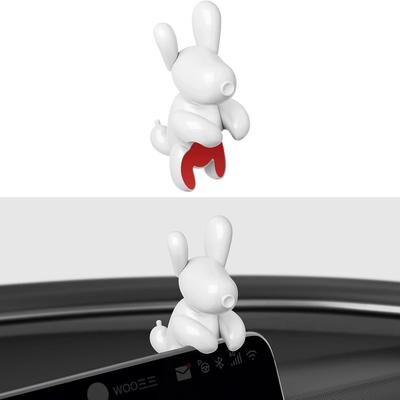
Uplift Essentials Tesla Dog Mode Professional Screen Interface Ornament Tesla Dog Mode Professional Screen Interface OrnamentEnhance your vehicles interior aesthetic with the Tesla Dog Mode Professional Screen Interface Ornament. Engineered as a highfidelity physical homage to a signature petsafety feature, this precisionmolded decoration seamlessly integrates with the...67,97 $*Shipping: 0,00 $Secure redirect to the provider
-
Baby Mode Cable Knit Baby BlanketBring your little one home for the first time in this cable-knit baby blanket. Soft cotton construction delivers a cozy layer of warmth, and the solid color brings a beautiful finishing touch to your child's nursery.28,12 $*Shipping: 0,00 $Secure redirect to the provider
-
What are biblical archetypes?
Biblical archetypes are recurring symbols, characters, or themes found throughout the Bible that represent universal human experiences, emotions, or truths. These archetypes often serve as a model or pattern for understanding and interpreting the world and our own lives. Examples of biblical archetypes include the hero, the villain, the journey, the sacrifice, and the redemption, which can be found in various stories and characters throughout the Bible. These archetypes provide a framework for understanding the human condition and the spiritual journey. **
-
What are the archetypes of C.G. Jung?
C.G. Jung identified several archetypes that he believed were universal symbols or themes that appear in the collective unconscious of all people. Some of the key archetypes include the persona (the social mask we present to the world), the shadow (the darker, unconscious side of our personality), the anima/animus (the feminine and masculine aspects within each individual), the self (the striving for wholeness and integration), and the hero (the figure who overcomes challenges and achieves greatness). Jung believed that recognizing and integrating these archetypes into our consciousness could lead to personal growth and self-realization. **
-
Are there different soul types or family archetypes?
Yes, some belief systems and spiritual practices suggest that there are different soul types or family archetypes. These can include concepts such as old souls, young souls, warrior souls, healer souls, and more. Each soul type is believed to have unique characteristics, purposes, and lessons to learn in their lifetime. Understanding these soul types or family archetypes can help individuals gain insight into their own spiritual journey and relationships with others. **
-
What is the difference between archetypes and stereotypes?
Archetypes are universal symbols or themes that represent shared human experiences and emotions, often found in literature, mythology, and art. They are timeless and can be interpreted in various ways. On the other hand, stereotypes are oversimplified and generalized beliefs about a particular group of people, often based on assumptions or prejudices. Stereotypes can be harmful as they limit individuals to a narrow set of characteristics, while archetypes are more complex and can be used to explore deeper aspects of the human psyche. **
Similar search terms for Archetypes
-
HP 300 Dual Mode Wireless Mouse - SilverDual Mode Flexibility Move between two PCs using both Bluetooth® and a 2.4 GHz wireless connections. Dependable power Efficient battery life delivers up to 15 months of everyday use. [1] Toggle with ease Get convenient control with 2 thumb buttons preprogrammed to go forwards and backwards. Smooth control With a high-resolution optical sensor, get increased accuracy for precise movements on a variety of surfaces. No more surprises An indicator light informs you when its time to swap out bat35,49 £*Shipping: 0,00 £Secure redirect to the provider
-
Trendy Discount Goods Swivel Robotic Arm Faucet Extender, Stainless Steel Universal, Kitchen Sink Aerator, Water Flow Mode single Mode EffluentUniversal 1440 Swivel Design Upgrade your kitchen experience with the Stainless Steel Universal 1440 Swivel Robotic Arm Swivel Extension Faucet Aerator. Its fully adjustable 360degree rotation and 1440 swivel design allow you to direct water...53,97 $*Shipping: 0,00 $Secure redirect to the provider
-
Inspired Living DIY LED Candle Wick 3V Flickering Flame Insert With Steady Light Mode For Flameless Candles 10pcs Dual ModeCreate warm, inviting candlelight without the hassle of replacing an entire candle. This flickering flame LED insert is designed for DIY enthusiasts, crafters, and anyone upgrading flameless candles with a realistic glow. Featuring two lighting...77,97 $*Shipping: 0,00 $Secure redirect to the provider
-
How can images and pictures be used as archetypes?
Images and pictures can be used as archetypes by representing universal symbols and themes that are deeply ingrained in the human psyche. For example, a picture of a mother and child can evoke the archetype of nurturing and protection. Similarly, an image of a tree can symbolize growth, strength, and connection to the earth. By tapping into these archetypal images, artists and storytellers can convey powerful and resonant messages that transcend cultural and linguistic barriers. Additionally, these archetypal images can evoke strong emotional responses and connect with audiences on a subconscious level. **
-
How can the difference between the collective unconscious and archetypes be explained simply?
The collective unconscious is a concept introduced by Carl Jung, which refers to the shared reservoir of memories and experiences that all humans inherit. Archetypes, on the other hand, are universal symbols or themes that arise from the collective unconscious and are expressed in various cultures and individuals. In simpler terms, the collective unconscious is like a vast library of human experiences, while archetypes are the common themes or characters found within that library that appear in myths, stories, and dreams. **
-
How can the difference between the collective unconscious and the archetypes be explained simply?
The collective unconscious is a shared reservoir of memories and experiences that all humans inherit from their ancestors, while archetypes are universal symbols or themes that arise from the collective unconscious. In simpler terms, the collective unconscious is like a vast library of human experiences that we all have access to, while archetypes are the common patterns or characters that appear in myths, stories, and dreams. Essentially, the collective unconscious is the source, and archetypes are the recurring themes or symbols that emerge from it. **
-
How can the difference between the collective unconscious and the archetypes be simply explained?
The collective unconscious refers to the shared reservoir of memories, experiences, and images that are inherited from our ancestors and are common to all humans. It is a part of the unconscious mind that is shared by all people across cultures. On the other hand, archetypes are universal symbols and patterns that emerge from the collective unconscious. They are recurring themes or motifs that are present in myths, stories, and dreams and represent fundamental human experiences and emotions. In simple terms, the collective unconscious is the deep well of shared human experiences, while archetypes are the specific symbols and patterns that arise from this collective unconscious. **
* All prices are inclusive of VAT and, if applicable, plus shipping costs. The offer information is based on the details provided by the respective shop and is updated through automated processes. Real-time updates do not occur, so deviations can occur in individual cases. ** Note: Parts of this content were created by AI.