Buy katja.eu ?
We are moving the project
katja.eu .
Are you interested in purchasing the domain
katja.eu ?
domain@kv-gmbh.de · 0541-91531010
Buy katja.eu ?
What are mitochondria?
Mitochondria are membrane-bound organelles found in the cells of most eukaryotic organisms. They are often referred to as the powerhouse of the cell because they are responsible for producing the majority of the cell's energy in the form of adenosine triphosphate (ATP) through a process called cellular respiration. Mitochondria have their own DNA and are believed to have originated from ancient bacteria that were engulfed by a primitive eukaryotic cell through a process called endosymbiosis. They play a crucial role in various cellular functions, including metabolism, signaling, and cell death. **
Why are mitochondria important?
Mitochondria are important because they are the powerhouse of the cell, producing the majority of the cell's energy in the form of ATP through the process of cellular respiration. This energy is essential for various cellular functions, including growth, repair, and division. Additionally, mitochondria play a crucial role in regulating cell metabolism, signaling, and cell death. Dysfunction of mitochondria has been linked to various diseases, highlighting their importance in overall cellular health and function. **


Similar search terms for Mitochondria
Top-Angebote
Products related to Mitochondria:
-
Uplift Essentials Tesla Dog Mode Professional Screen Interface Ornament Tesla Dog Mode Professional Screen Interface OrnamentEnhance your vehicles interior aesthetic with the Tesla Dog Mode Professional Screen Interface Ornament. Engineered as a highfidelity physical homage to a signature petsafety feature, this precisionmolded decoration seamlessly integrates with the...67,97 $*Shipping: 0,00 $Secure redirect to the provider
-
Baby Mode Cable Knit Baby BlanketBring your little one home for the first time in this cable-knit baby blanket. Soft cotton construction delivers a cozy layer of warmth, and the solid color brings a beautiful finishing touch to your child's nursery.28,12 $*Shipping: 0,00 $Secure redirect to the provider
-
HP 300 Dual Mode Wireless Mouse - SilverDual Mode Flexibility Move between two PCs using both Bluetooth® and a 2.4 GHz wireless connections. Dependable power Efficient battery life delivers up to 15 months of everyday use. [1] Toggle with ease Get convenient control with 2 thumb buttons preprogrammed to go forwards and backwards. Smooth control With a high-resolution optical sensor, get increased accuracy for precise movements on a variety of surfaces. No more surprises An indicator light informs you when its time to swap out bat35,49 £*Shipping: 0,00 £Secure redirect to the provider




-
How are mitochondria formed?
Mitochondria are formed through a process called mitochondrial biogenesis, which involves the growth and division of existing mitochondria. Mitochondria have their own DNA and can replicate independently of the cell's nucleus. When a cell needs more energy, it signals for the production of new mitochondria through a complex interplay of signaling pathways and regulatory proteins. This process ensures that the cell has an adequate supply of mitochondria to meet its energy demands. **
-
How did mitochondria originate?
Mitochondria are believed to have originated from a symbiotic relationship between an ancestral eukaryotic cell and an ancient prokaryotic organism, specifically an alpha-proteobacteria. This symbiotic relationship is thought to have occurred around 1.5 billion years ago, with the prokaryotic organism being engulfed by the eukaryotic cell but not digested. Over time, this prokaryotic organism evolved into the mitochondria we see in eukaryotic cells today. This theory is supported by the fact that mitochondria have their own DNA, similar to that of bacteria, and replicate independently of the host cell. **
-
What are mitochondria and chloroplasts?
Mitochondria are membrane-bound organelles found in the cells of eukaryotic organisms, responsible for producing energy in the form of ATP through cellular respiration. They have their own DNA and are thought to have originated from ancient bacteria through endosymbiosis. Chloroplasts are also membrane-bound organelles found in plant cells and some protists, responsible for photosynthesis, the process by which they convert sunlight into energy-rich molecules like glucose. Like mitochondria, chloroplasts also have their own DNA and are believed to have originated from ancient photosynthetic bacteria through endosymbiosis. **
-
Do all cells have mitochondria?
No, not all cells have mitochondria. Mitochondria are organelles found in eukaryotic cells, which are cells that have a true nucleus and membrane-bound organelles. Prokaryotic cells, such as bacteria, do not have mitochondria. Additionally, some eukaryotic cells, like red blood cells, lose their mitochondria as they mature. **

Do animal cells have mitochondria?
Yes, animal cells do have mitochondria. Mitochondria are known as the powerhouse of the cell because they are responsible for producing energy in the form of ATP through a process called cellular respiration. This organelle is found in most eukaryotic cells, including animal cells, and plays a crucial role in metabolism and energy production. **
What are mitochondria in biology?
Mitochondria are membrane-bound organelles found in the cytoplasm of eukaryotic cells. They are often referred to as the "powerhouses" of the cell because they are responsible for producing the majority of the cell's energy in the form of adenosine triphosphate (ATP) through the process of cellular respiration. Mitochondria also play a role in regulating cellular metabolism, signaling, and cell death. They contain their own DNA and are believed to have originated from an ancient symbiotic relationship between a eukaryotic cell and a prokaryotic organism. **
Top-Angebote
Products related to Mitochondria:
-
Mepra Katja Flatware Set - 24 Pieces"The Mepra ""Katja"" collection is designed by the talented architect and designer Katja Bremkamp. This collection features flatware with an asymmetrical and unique design, inspired by the natural movements of the hands while serving and eating."570,00 $*Shipping: 0,00 $Secure redirect to the provider
-
Uplift Essentials Tesla Dog Mode Professional Screen Interface Ornament Tesla Dog Mode Professional Screen Interface OrnamentEnhance your vehicles interior aesthetic with the Tesla Dog Mode Professional Screen Interface Ornament. Engineered as a highfidelity physical homage to a signature petsafety feature, this precisionmolded decoration seamlessly integrates with the...67,97 $*Shipping: 0,00 $Secure redirect to the provider
-
Baby Mode Cable Knit Baby BlanketBring your little one home for the first time in this cable-knit baby blanket. Soft cotton construction delivers a cozy layer of warmth, and the solid color brings a beautiful finishing touch to your child's nursery.28,12 $*Shipping: 0,00 $Secure redirect to the provider
-
What are mitochondria?
Mitochondria are membrane-bound organelles found in the cells of most eukaryotic organisms. They are often referred to as the powerhouse of the cell because they are responsible for producing the majority of the cell's energy in the form of adenosine triphosphate (ATP) through a process called cellular respiration. Mitochondria have their own DNA and are believed to have originated from ancient bacteria that were engulfed by a primitive eukaryotic cell through a process called endosymbiosis. They play a crucial role in various cellular functions, including metabolism, signaling, and cell death. **
-
Why are mitochondria important?
Mitochondria are important because they are the powerhouse of the cell, producing the majority of the cell's energy in the form of ATP through the process of cellular respiration. This energy is essential for various cellular functions, including growth, repair, and division. Additionally, mitochondria play a crucial role in regulating cell metabolism, signaling, and cell death. Dysfunction of mitochondria has been linked to various diseases, highlighting their importance in overall cellular health and function. **
-
How are mitochondria formed?
Mitochondria are formed through a process called mitochondrial biogenesis, which involves the growth and division of existing mitochondria. Mitochondria have their own DNA and can replicate independently of the cell's nucleus. When a cell needs more energy, it signals for the production of new mitochondria through a complex interplay of signaling pathways and regulatory proteins. This process ensures that the cell has an adequate supply of mitochondria to meet its energy demands. **
-
How did mitochondria originate?
Mitochondria are believed to have originated from a symbiotic relationship between an ancestral eukaryotic cell and an ancient prokaryotic organism, specifically an alpha-proteobacteria. This symbiotic relationship is thought to have occurred around 1.5 billion years ago, with the prokaryotic organism being engulfed by the eukaryotic cell but not digested. Over time, this prokaryotic organism evolved into the mitochondria we see in eukaryotic cells today. This theory is supported by the fact that mitochondria have their own DNA, similar to that of bacteria, and replicate independently of the host cell. **
Similar search terms for Mitochondria
-
HP 300 Dual Mode Wireless Mouse - SilverDual Mode Flexibility Move between two PCs using both Bluetooth® and a 2.4 GHz wireless connections. Dependable power Efficient battery life delivers up to 15 months of everyday use. [1] Toggle with ease Get convenient control with 2 thumb buttons preprogrammed to go forwards and backwards. Smooth control With a high-resolution optical sensor, get increased accuracy for precise movements on a variety of surfaces. No more surprises An indicator light informs you when its time to swap out bat35,49 £*Shipping: 0,00 £Secure redirect to the provider
-
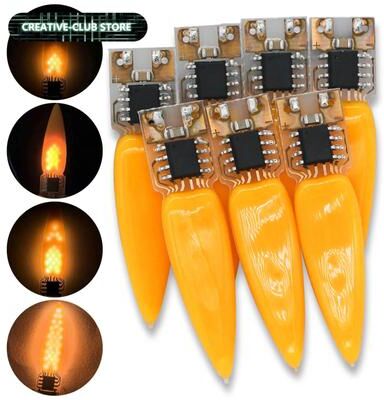
Inspired Living DIY LED Candle Wick 3V Flickering Flame Insert With Steady Light Mode For Flameless Candles 1pc Dual ModeCreate warm, inviting candlelight without the hassle of replacing an entire candle. This flickering flame LED insert is designed for DIY enthusiasts, crafters, and anyone upgrading flameless candles with a realistic glow. Featuring two lighting...33,97 $*Shipping: 0,00 $Secure redirect to the provider
-
What are mitochondria and chloroplasts?
Mitochondria are membrane-bound organelles found in the cells of eukaryotic organisms, responsible for producing energy in the form of ATP through cellular respiration. They have their own DNA and are thought to have originated from ancient bacteria through endosymbiosis. Chloroplasts are also membrane-bound organelles found in plant cells and some protists, responsible for photosynthesis, the process by which they convert sunlight into energy-rich molecules like glucose. Like mitochondria, chloroplasts also have their own DNA and are believed to have originated from ancient photosynthetic bacteria through endosymbiosis. **
-
Do all cells have mitochondria?
No, not all cells have mitochondria. Mitochondria are organelles found in eukaryotic cells, which are cells that have a true nucleus and membrane-bound organelles. Prokaryotic cells, such as bacteria, do not have mitochondria. Additionally, some eukaryotic cells, like red blood cells, lose their mitochondria as they mature. **
-
Do animal cells have mitochondria?
Yes, animal cells do have mitochondria. Mitochondria are known as the powerhouse of the cell because they are responsible for producing energy in the form of ATP through a process called cellular respiration. This organelle is found in most eukaryotic cells, including animal cells, and plays a crucial role in metabolism and energy production. **
-
What are mitochondria in biology?
Mitochondria are membrane-bound organelles found in the cytoplasm of eukaryotic cells. They are often referred to as the "powerhouses" of the cell because they are responsible for producing the majority of the cell's energy in the form of adenosine triphosphate (ATP) through the process of cellular respiration. Mitochondria also play a role in regulating cellular metabolism, signaling, and cell death. They contain their own DNA and are believed to have originated from an ancient symbiotic relationship between a eukaryotic cell and a prokaryotic organism. **
* All prices are inclusive of VAT and, if applicable, plus shipping costs. The offer information is based on the details provided by the respective shop and is updated through automated processes. Real-time updates do not occur, so deviations can occur in individual cases. ** Note: Parts of this content were created by AI.