Buy katja.eu ?
We are moving the project
katja.eu .
Are you interested in purchasing the domain
katja.eu ?
domain@kv-gmbh.de · 0541-91531010
Buy katja.eu ?
What is planned obsolescence?
Planned obsolescence is a business strategy where products are intentionally designed to have a limited lifespan or become outdated quickly, encouraging consumers to replace them sooner than necessary. This practice ensures a continuous demand for new products and generates more sales for the company. Critics argue that planned obsolescence is environmentally harmful as it leads to increased waste and resource consumption. **
"Human, spontaneous or planned?"
Humans are capable of both spontaneous and planned actions. Spontaneous actions are those that are done without much forethought or preparation, often in response to immediate circumstances. On the other hand, planned actions are those that are thought out in advance and executed according to a predetermined strategy or schedule. Both types of actions are important for human behavior and can be influenced by a variety of factors such as personality, environment, and individual preferences. **

Similar search terms for Planned
Top-Angebote
Products related to Planned:
-
Baby Mode Cable Knit Baby BlanketBring your little one home for the first time in this cable-knit baby blanket. Soft cotton construction delivers a cozy layer of warmth, and the solid color brings a beautiful finishing touch to your child's nursery.31,19 $*Shipping: 0,00 $Secure redirect to the provider
-
Baby Mode Knit Star Baby BlanketThis beautiful 100% cotton knit blanket is perfect for the baby's nursery. Featuring soft spun cotton yarn, this medium weight blanket has a single layer of solid pink or blue adorned with white stars and border.28,61 $*Shipping: 0,00 $Secure redirect to the provider


-
What is the difference between a centrally planned economy and a planned economy?
A centrally planned economy is a type of planned economy where the government makes all decisions regarding production, distribution, and consumption of goods and services. In a centrally planned economy, the government owns most, if not all, of the means of production. On the other hand, a planned economy is a broader term that encompasses any economy where the government plays a significant role in planning and regulating economic activities, but it may not necessarily involve complete government ownership of all resources. Planned economies can have varying degrees of government intervention, while centrally planned economies have a high level of government control and ownership. **
-
Are German cities poorly planned?
German cities are generally well-planned, with efficient public transportation systems, pedestrian-friendly areas, and a mix of residential and commercial spaces. However, some cities, like Berlin, have faced challenges due to rapid population growth and the need to accommodate large numbers of residents. Overall, German cities prioritize sustainability, green spaces, and a high quality of life for residents, making them well-planned compared to many other cities around the world. **
-
Is China a planned economy?
China is often described as a mixed economy, meaning it has elements of both a planned economy and a market economy. While the government does play a significant role in planning and regulating the economy, there is also a growing private sector and market forces at play. In recent years, China has been moving towards more market-oriented reforms, but the government still maintains a high level of control over key industries and sectors. **
-
Can a planned economy work?
A planned economy can work in theory, as it allows for centralized decision-making and allocation of resources based on the needs of society. However, in practice, planned economies have often struggled to efficiently allocate resources, respond to changing market conditions, and incentivize innovation and productivity. This can lead to inefficiencies, shortages, and lack of consumer choice. Ultimately, the success of a planned economy depends on the effectiveness of its central planning authority, the flexibility of its decision-making processes, and the ability to adapt to changing economic conditions. **

What are planned economy tendencies?
Planned economy tendencies refer to the characteristics of an economic system where the government or a central authority makes decisions regarding production, distribution, and resource allocation. These tendencies include centralized decision-making, government ownership of key industries, and a focus on meeting collective goals rather than individual preferences. Planned economies often prioritize social welfare and equality over profit maximization and competition. However, they can also lead to inefficiencies, lack of innovation, and limited consumer choice. **
Should planned obsolescence be banned?
Planned obsolescence should be regulated rather than banned entirely. While it can lead to wasteful consumption and environmental harm, it also drives innovation and economic growth. By implementing regulations that promote sustainable design and responsible consumption, we can strike a balance between encouraging innovation and protecting the environment. Additionally, companies should be held accountable for their products' lifespan and provide options for repair and recycling to minimize waste. **
Top-Angebote
Products related to Planned:
-
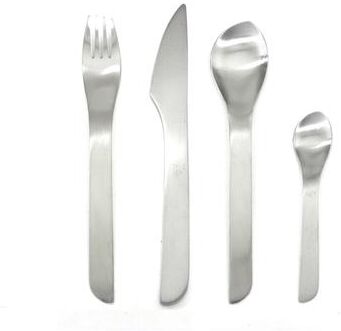
Mepra Katja Flatware Set - 24 Pieces"The Mepra ""Katja"" collection is designed by the talented architect and designer Katja Bremkamp. This collection features flatware with an asymmetrical and unique design, inspired by the natural movements of the hands while serving and eating."492,00 $*Shipping: 0,00 $Secure redirect to the provider
-
Uplift Essentials Tesla Dog Mode Professional Screen Interface Ornament Tesla Dog Mode Professional Screen Interface OrnamentEnhance your vehicles interior aesthetic with the Tesla Dog Mode Professional Screen Interface Ornament. Engineered as a highfidelity physical homage to a signature petsafety feature, this precisionmolded decoration seamlessly integrates with the...67,97 $*Shipping: 0,00 $Secure redirect to the provider
-
Baby Mode Cable Knit Baby BlanketBring your little one home for the first time in this cable-knit baby blanket. Soft cotton construction delivers a cozy layer of warmth, and the solid color brings a beautiful finishing touch to your child's nursery.31,19 $*Shipping: 0,00 $Secure redirect to the provider
-
What is planned obsolescence?
Planned obsolescence is a business strategy where products are intentionally designed to have a limited lifespan or become outdated quickly, encouraging consumers to replace them sooner than necessary. This practice ensures a continuous demand for new products and generates more sales for the company. Critics argue that planned obsolescence is environmentally harmful as it leads to increased waste and resource consumption. **
-
"Human, spontaneous or planned?"
Humans are capable of both spontaneous and planned actions. Spontaneous actions are those that are done without much forethought or preparation, often in response to immediate circumstances. On the other hand, planned actions are those that are thought out in advance and executed according to a predetermined strategy or schedule. Both types of actions are important for human behavior and can be influenced by a variety of factors such as personality, environment, and individual preferences. **
-
What is the difference between a centrally planned economy and a planned economy?
A centrally planned economy is a type of planned economy where the government makes all decisions regarding production, distribution, and consumption of goods and services. In a centrally planned economy, the government owns most, if not all, of the means of production. On the other hand, a planned economy is a broader term that encompasses any economy where the government plays a significant role in planning and regulating economic activities, but it may not necessarily involve complete government ownership of all resources. Planned economies can have varying degrees of government intervention, while centrally planned economies have a high level of government control and ownership. **
-
Are German cities poorly planned?
German cities are generally well-planned, with efficient public transportation systems, pedestrian-friendly areas, and a mix of residential and commercial spaces. However, some cities, like Berlin, have faced challenges due to rapid population growth and the need to accommodate large numbers of residents. Overall, German cities prioritize sustainability, green spaces, and a high quality of life for residents, making them well-planned compared to many other cities around the world. **
Similar search terms for Planned
-
Baby Mode Knit Star Baby BlanketThis beautiful 100% cotton knit blanket is perfect for the baby's nursery. Featuring soft spun cotton yarn, this medium weight blanket has a single layer of solid pink or blue adorned with white stars and border.28,61 $*Shipping: 0,00 $Secure redirect to the provider
-
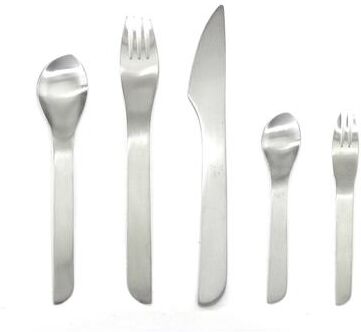
Mepra Katja Flatware Set - 24 Pieces"The Mepra ""Katja"" collection is designed by the talented architect and designer Katja Bremkamp. This collection features flatware with an asymmetrical and unique design, inspired by the natural movements of the hands while serving and eating."570,00 $*Shipping: 0,00 $Secure redirect to the provider
-
Mepra Katja Flatware Set - 20 Pieces - Stainless Steel"The Mepra ""Katja"" collection is designed by the talented architect and designer Katja Bremkamp. This collection features flatware with an asymmetrical and unique design, inspired by the natural movements of the hands while serving and eating."375,00 $*Shipping: 0,00 $Secure redirect to the provider
-
Is China a planned economy?
China is often described as a mixed economy, meaning it has elements of both a planned economy and a market economy. While the government does play a significant role in planning and regulating the economy, there is also a growing private sector and market forces at play. In recent years, China has been moving towards more market-oriented reforms, but the government still maintains a high level of control over key industries and sectors. **
-
Can a planned economy work?
A planned economy can work in theory, as it allows for centralized decision-making and allocation of resources based on the needs of society. However, in practice, planned economies have often struggled to efficiently allocate resources, respond to changing market conditions, and incentivize innovation and productivity. This can lead to inefficiencies, shortages, and lack of consumer choice. Ultimately, the success of a planned economy depends on the effectiveness of its central planning authority, the flexibility of its decision-making processes, and the ability to adapt to changing economic conditions. **
-
What are planned economy tendencies?
Planned economy tendencies refer to the characteristics of an economic system where the government or a central authority makes decisions regarding production, distribution, and resource allocation. These tendencies include centralized decision-making, government ownership of key industries, and a focus on meeting collective goals rather than individual preferences. Planned economies often prioritize social welfare and equality over profit maximization and competition. However, they can also lead to inefficiencies, lack of innovation, and limited consumer choice. **
-
Should planned obsolescence be banned?
Planned obsolescence should be regulated rather than banned entirely. While it can lead to wasteful consumption and environmental harm, it also drives innovation and economic growth. By implementing regulations that promote sustainable design and responsible consumption, we can strike a balance between encouraging innovation and protecting the environment. Additionally, companies should be held accountable for their products' lifespan and provide options for repair and recycling to minimize waste. **
* All prices are inclusive of VAT and, if applicable, plus shipping costs. The offer information is based on the details provided by the respective shop and is updated through automated processes. Real-time updates do not occur, so deviations can occur in individual cases. ** Note: Parts of this content were created by AI.